
Common Air Conditioning Problems – How Homeowners Can Troubleshoot Issues Before Calling a Technician
Air conditioning systems play a critical role in maintaining home comfort during warmer months. However, homeowners often face performance issues such as poor cooling, noise, or water leaks. Understanding common air conditioning problems helps identify likely causes and take simple troubleshooting steps before professional help is needed. Through 411 Air Conditioning’s directory, homeowners can easily find licensed HVAC contractors nearby for inspections, maintenance, or repairs.
Understanding the Most Common Air Conditioning Problems
Many AC issues develop gradually and may be resolved through simple checks. Recognizing early signs of malfunction helps prevent larger system failures and unnecessary costs. The following sections explain frequent air conditioning problems, their common causes, and what homeowners can do before connecting with professional contractors listed in the directory.
Why AC Units Frequently Malfunction
- Normal wear and tear: Components such as belts, bearings, and fan motors naturally wear down over time, reducing performance and increasing the risk of breakdowns.
- Dust and debris buildup: Dirt on coils, filters, and vents restricts airflow and causes strain on the system. Regular cleaning prevents this and extends the system’s efficiency.
- Electrical component failure: Parts like capacitors and contactors may fail due to voltage fluctuations, causing the unit to stop or cycle on and off irregularly.
Recognizing Early Warning Signs
- Strange sounds: Rattling or buzzing noises often indicate loose parts or mechanical wear. Addressing these early can prevent further damage.
- Warm air output: Warm airflow may suggest low refrigerant or compressor issues. Checking filters and thermostat settings should be the first step.
Uneven cooling: Differences in room temperature often result from blocked vents or leaks in ductwork. Inspecting vents and air returns helps identify the issue.
How to Assess Minor AC Issues Before Calling a Technician
- Check the thermostat: Verify it’s set to “cool” and positioned away from heat sources. Battery replacements or recalibration can resolve basic issues.
- Inspect the air filter: Dirty filters restrict airflow, one of the most frequent air conditioning problems. Replacing them monthly during high-use seasons maintains efficiency.
- Look for tripped breakers: A tripped breaker may interrupt power to the system. Reset it and monitor the unit to see if the issue continues.
AC Not Cooling Properly – Possible Causes and Fixes
When an air conditioner runs but doesn’t cool effectively, the cause could range from thermostat errors to low refrigerant. Identifying these early helps reduce energy waste and system stress. Homeowners can perform basic checks, then use 411 Air Conditioning’s directory to locate contractors who provide complete system evaluations.
Air Conditioner Making Noise – Identifying Sounds and Their Meaning
Unusual noises often point to underlying system issues. Recognizing what each sound indicates helps determine if simple maintenance or professional service is needed.
- Banging or Clanking Noises. Loose components such as fan blades or bolts cause loud clanking. Homeowners can power off the unit and use the directory to locate qualified contractors for safe repair.
- Hissing or Bubbling Sounds. These noises often suggest a refrigerant leak or pressure imbalance. Finding a licensed technician through 411 Air Conditioning’s directory ensures proper diagnosis.
- Clicking or Buzzing Noises. Buzzing or clicking may come from electrical components or debris in the condenser. Turn off the system, inspect visible areas, and contact a verified professional if the sound persists.
AC Leaking Water or Forming Ice on Coils
Leaks or ice buildup often result from airflow blockages or condensation problems. These air conditioning issues can lead to water damage or reduced efficiency.
- Condensate Drain Clogs. The drain line may clog from algae or debris. Clearing visible blockages can help, but persistent leaks should be checked by local HVAC experts found in the directory.
- Frozen Evaporator Coils. Frozen coils often mean restricted airflow or low refrigerant. After thawing, homeowners can replace filters and schedule system checks through 411 Air Conditioning’s listings.
- Improper Installation or Drain Pan Damage. Incorrect installation or a cracked drain pan causes ongoing leaks. Visual inspection helps identify the issue, while the directory connects users to installers for proper correction.
Weak Airflow from Vents – Identifying the Cause and Solution
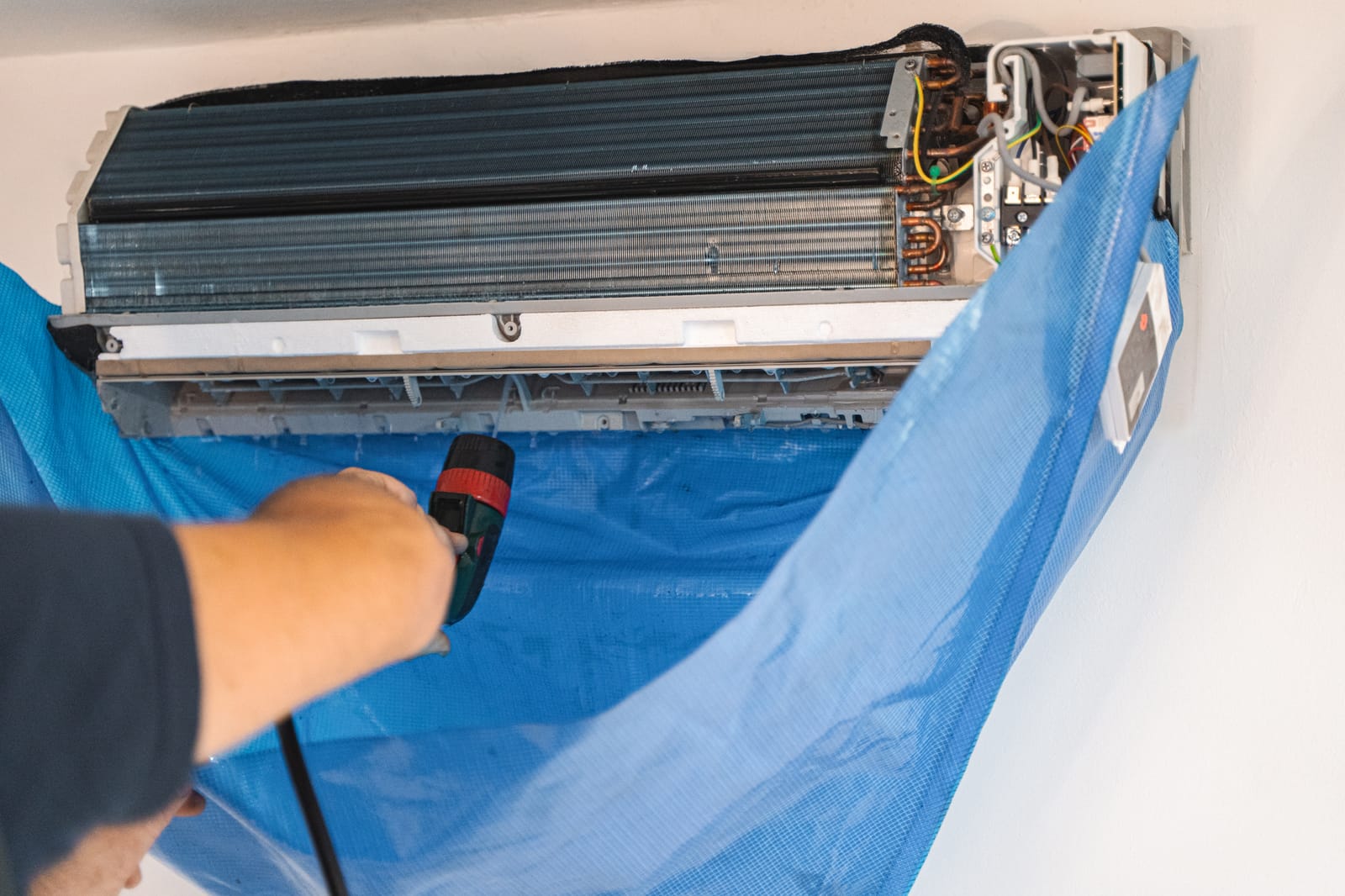
Weak airflow is another one of the most common air conditioning problems homeowners face. It often develops gradually, making rooms feel warmer than others or taking longer to reach the desired temperature. Recognizing and addressing poor airflow early can help prevent energy waste and more serious system issues. Homeowners can perform basic checks, then locate nearby HVAC contractors through 411 Air Conditioning’s directory for comprehensive inspection and service when needed.
Blocked or Leaking Ductwork
Leaking or blocked ducts reduce airflow and prevent cool air from circulating efficiently throughout the home. Homeowners can visually inspect accessible duct sections for gaps, loose connections, or visible damage. For thorough testing and sealing, they can use 411 Air Conditioning’s directory to find professionals specializing in duct repair and maintenance.
Faulty Blower Motor or Fan
A malfunctioning blower motor or fan can greatly reduce the air conditioner’s airflow and overall efficiency. Homeowners can turn off the unit and check for dust buildup or visible obstructions that may be restricting movement. If the problem persists, they can locate qualified HVAC contractors through 411 Air Conditioning’s directory for professional inspection and repair.
Closed or Blocked Vents
Blocked or closed vents restrict airflow and prevent consistent cooling across rooms. Homeowners should make sure all vents are fully open and free from obstructions like furniture or curtains. If airflow remains weak, they can search 411 Air Conditioning’s directory to find local HVAC professionals who can assess and optimize the system’s ventilation.
AC Unit Frequently Turning On and Off – Short Cycling Explained
When an air conditioner cycles on and off too frequently, it not only affects cooling performance but can also increase energy costs and wear out system components prematurely. Short cycling is a common issue that can stem from thermostat placement, refrigerant imbalance, or airflow problems. Homeowners can perform initial checks before reaching out through 411 Air Conditioning’s directory to find experienced HVAC technicians for system diagnosis and correction.
Oversized AC Unit or Improper Installation
An air conditioner that is too large for a home cools the space too quickly, causing short cycling that increases wear and energy use. Homeowners can review installation records to confirm the system’s capacity matches the home’s size. For accurate assessments and adjustments, they can use 411 Air Conditioning’s directory to find contractors who specialize in proper AC sizing and installation.
Thermostat or Sensor Malfunction
A thermostat that misreads room temperature can cause the air conditioner to turn on and off too often. Moving the device away from heat sources or direct sunlight can help improve accuracy. If short cycling continues, homeowners can use 411 Air Conditioning’s directory to find HVAC specialists who can test and recalibrate the thermostat.
Low Refrigerant or Restricted Airflow
Low refrigerant levels or restricted airflow prevent the system from maintaining consistent temperatures, causing frequent cycling. Homeowners should start by checking filters and vents for dust or blockages that reduce performance. If the issue persists, they can use 411 Air Conditioning’s directory to find licensed HVAC contractors who can test refrigerant levels and restore proper airflow.
When to Contact an HVAC Professional Through the Directory
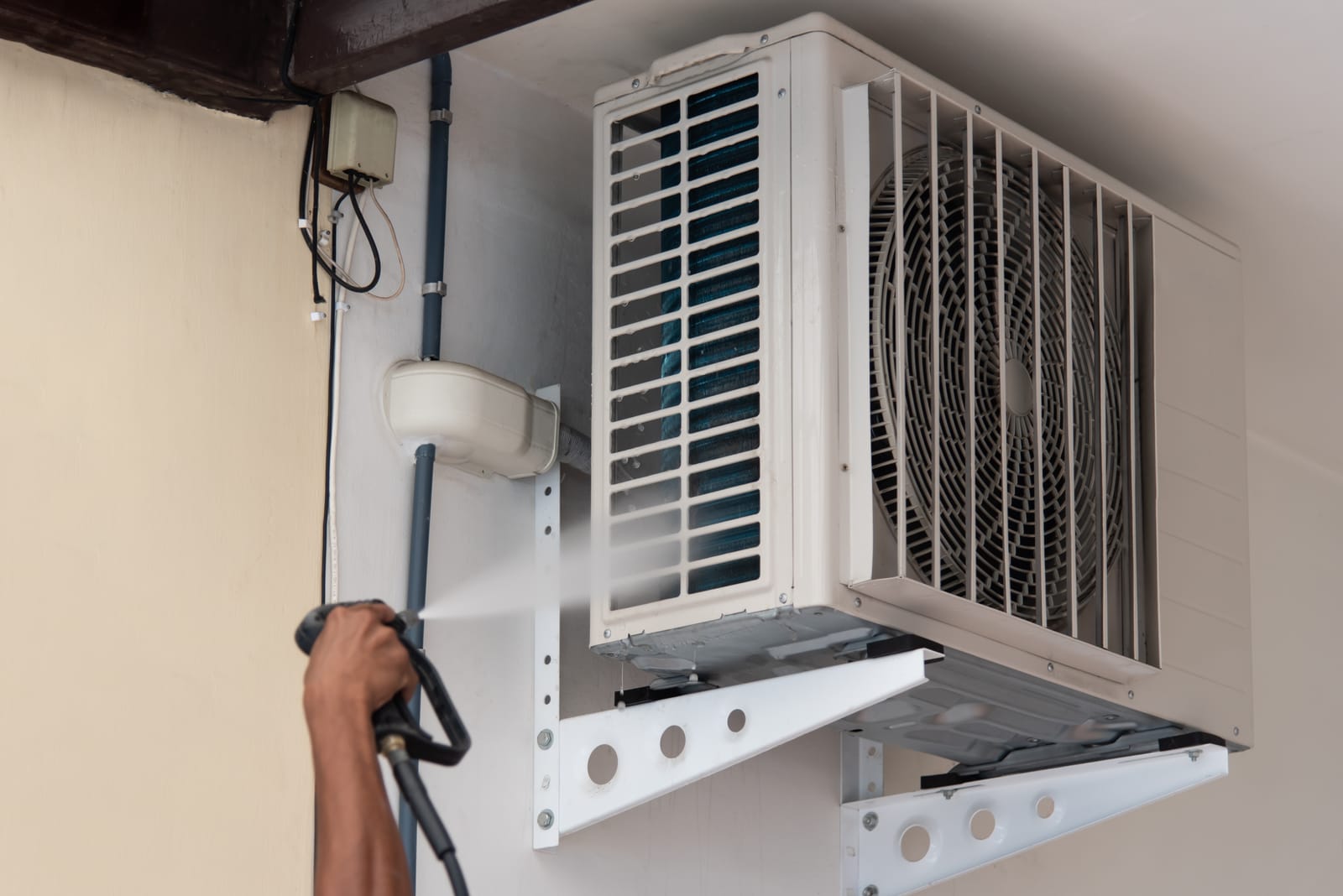
Some air conditioning issues require trained specialists. Using 411 Air Conditioning’s directory, homeowners can connect with local, licensed technicians for advanced diagnostics or repairs.
- Persistent Cooling Issues. If warm air, frequent cycling, or uneven temperatures continue despite troubleshooting, professional assessment is needed. Contractors found through the directory can test refrigerant and system performance.
- Safety or Electrical Concerns. Burning smells or visible sparks indicate electrical risk. Powering off the unit and using the directory to locate certified HVAC electricians ensures safety.
- Complex Mechanical Failures. Compressor, fan, or motor problems demand technical repair. 411 Air Conditioning’s directory allows users to compare qualified providers for safe and effective service.
Find Trusted Local HVAC Contractors Near You
Homeowners experiencing any of these common air conditioning problems can quickly connect with reliable professionals through 411 Air Conditioning’s directory. The platform makes it easy to locate licensed and verified HVAC experts in your area who specialize in troubleshooting, maintenance, and system repairs.
