
Air Quality and AC Systems: How HVAC Impacts Health and Comfort
Indoor air quality plays a significant role in both health and comfort within a home. Air conditioning systems regulate temperature while influencing the circulation and cleanliness of indoor air. Understanding the connection between air quality and AC systems helps homeowners explore HVAC options through directories. Proper ventilation, filtration, and humidity control are key to maintaining a safe and comfortable indoor environment.
Understanding Air Quality and AC Systems
Air quality and AC systems are closely connected because HVAC equipment determines how air moves, is filtered, and remains comfortable inside a home. Poorly maintained or outdated AC systems can allow pollutants and allergens to circulate, affecting health and comfort. Homeowners can use directory listings to find contractors who focus on systems that enhance indoor air quality.
How HVAC Systems Influence Indoor Air Quality
- Air circulation and filtration: AC systems move air throughout the home, which affects how particles like dust and pollen are distributed. Effective filtration captures contaminants, improving indoor air quality.
- Humidity control: Air conditioning helps maintain optimal humidity levels, reducing the risk of mold and bacterial growth. Proper humidity also supports respiratory comfort for occupants.
- Ventilation impact: Ventilation systems bring in fresh outdoor air while exhausting stale indoor air. This process dilutes indoor pollutants and prevents stagnant air.
Common Indoor Air Pollutants Affected by AC Systems
- Dust and allergens: Particles from dust, pollen, and pet dander can accumulate without proper AC filtration. Regular monitoring and system upgrades help minimize exposure.
- Mold spores and bacteria: Poor humidity control and stagnant air increase the risk of mold growth. AC systems with proper filtration reduce microbial contaminants.
- Chemical pollutants: Household chemicals, VOCs, and cleaning agents can linger in indoor air. AC systems that circulate and filter air effectively help limit these pollutants.
The Connection Between Comfort and Air Quality
- Temperature regulation: Comfortable indoor temperatures reduce stress on the body and improve well-being. AC systems that maintain even temperatures support both comfort and health.
- Air quality influence: Clean, well-circulated air contributes to better sleep, productivity, and respiratory health. Poor air quality can lead to discomfort and exacerbate allergies or asthma.
- System performance: Efficiently operating AC systems balance cooling, heating, and air filtration. This integration ensures the indoor environment remains comfortable and safe throughout the year.
Air Conditioning Features That Improve Air Quality
Air conditioning systems offer features that can significantly enhance indoor air quality. Modern AC systems include advanced filtration, humidity control, and ventilation options that reduce pollutants and allergens. Homeowners can use directories to explore options and find contractors who specialize in systems that promote comfort and health.
High-Efficiency Air Filters and Purifiers
- HEPA and MERV-rated filters: These remove tiny particles, including dust, pollen, and pet dander, from circulating air. Higher-rated filters provide thorough filtration, improving indoor air quality.
- Integrated air purifiers: Some AC systems include air purifiers designed to target allergens and microscopic pollutants. They complement standard filters by capturing particles that would otherwise remain airborne.
- Filter maintenance: Regular replacement ensures continued performance. Proper maintenance prevents buildup that can reduce efficiency and compromise air quality.
Humidity Control and Ventilation Options
- Maintaining optimal humidity: AC systems with humidifiers or dehumidifiers keep indoor humidity within a healthy range, reducing mold growth and enhancing respiratory comfort.
- Fresh air intake: Ventilation systems bring in outdoor air while removing stale indoor air. Proper ventilation dilutes indoor pollutants and maintains a healthier environment.
- Zoned ventilation: Advanced systems can direct airflow to specific areas of the home, ensuring consistent air quality and comfort throughout living spaces.
Smart AC Systems for Health Monitoring
- Real-time air quality monitoring: Smart thermostats and sensors track indoor pollutants and temperature, allowing homeowners to identify issues early.
- Automated system adjustments: Smart AC systems can adjust fan speed, humidity, and temperature automatically, helping maintain optimal comfort and minimize airborne contaminants.
- Integration with mobile apps: Some smart systems provide remote access and alerts for filter replacement or air quality concerns, allowing proactive maintenance of a healthy indoor environment.

Signs of Poor Air Quality in Your Home
Identifying poor air quality early is essential for maintaining a healthy living environment. Outdated or improperly maintained AC systems with inadequate filtration can contribute to indoor air problems. Directory listings allow homeowners to find contractors who specialize in monitoring and improving air quality. Recognizing the signs of compromised air quality helps ensure both comfort and health throughout the home.
Physical Symptoms and Health Indicators
Poor indoor air quality can trigger headaches, fatigue, and respiratory irritation. Individuals with allergies or asthma may experience heightened reactions to dust, mold, or pollen. Children, seniors, and those with pre-existing conditions are particularly vulnerable. Noticing these symptoms can indicate the need to assess the home’s HVAC system and air quality measures.
AC System Indicators of Air Quality Problems
Air quality issues can appear through AC system performance. Excessive dust on vents, uneven cooling, or unusual odors often point to filtration or airflow problems. Reduced efficiency can allow pollutants to circulate more freely. Monitoring these indicators helps homeowners determine when to consult professionals listed in directories for system evaluation.
Environmental Factors Affecting Indoor Air Quality
Indoor air quality is influenced by external factors such as seasonal pollen, outdoor pollution, and humidity levels. High humidity promotes mold growth, while external contaminants can enter through ventilation systems. Understanding these impacts helps homeowners choose AC systems and filtration solutions suited for their area. Directories provide access to contractors who optimize systems for local conditions.
Maintaining Healthy Air Quality Through AC System Choices
Choosing the right AC system plays a critical role in maintaining healthy indoor air quality. Features such as advanced filtration, humidity control, and proper ventilation prevent pollutants from circulating. Homeowners can use directory listings to compare systems and identify contractors who prioritize air quality. Proper system selection and maintenance support both comfort and long-term health benefits.
Selecting AC Systems for Optimal Air Quality
When reviewing AC systems, consider options with high-efficiency filters and integrated purification features. Systems that manage humidity effectively reduce the risk of mold and bacterial growth. Ventilation capability is important to ensure a steady supply of fresh air. Evaluating these features helps homeowners make informed choices that improve both air quality and comfort.
Using Directories to Find Air Quality-Focused Contractors
Directories offer a practical way to locate professionals who specialize in air quality-focused AC systems. Listings often include contractor experience, certifications, and customer reviews. This information allows homeowners to compare options and select contractors that meet their indoor air quality needs. Using a directory ensures access to multiple qualified professionals in the local area.
Seasonal Maintenance and Air Quality Benefits
Regular seasonal maintenance keeps AC systems efficient and protects indoor air quality. Filter replacement, duct cleaning, and ventilation inspection reduce pollutants and allergens. Timely upkeep also ensures proper temperature and humidity levels. Directory listings can connect homeowners to contractors who provide maintenance services tailored to preserving air quality.
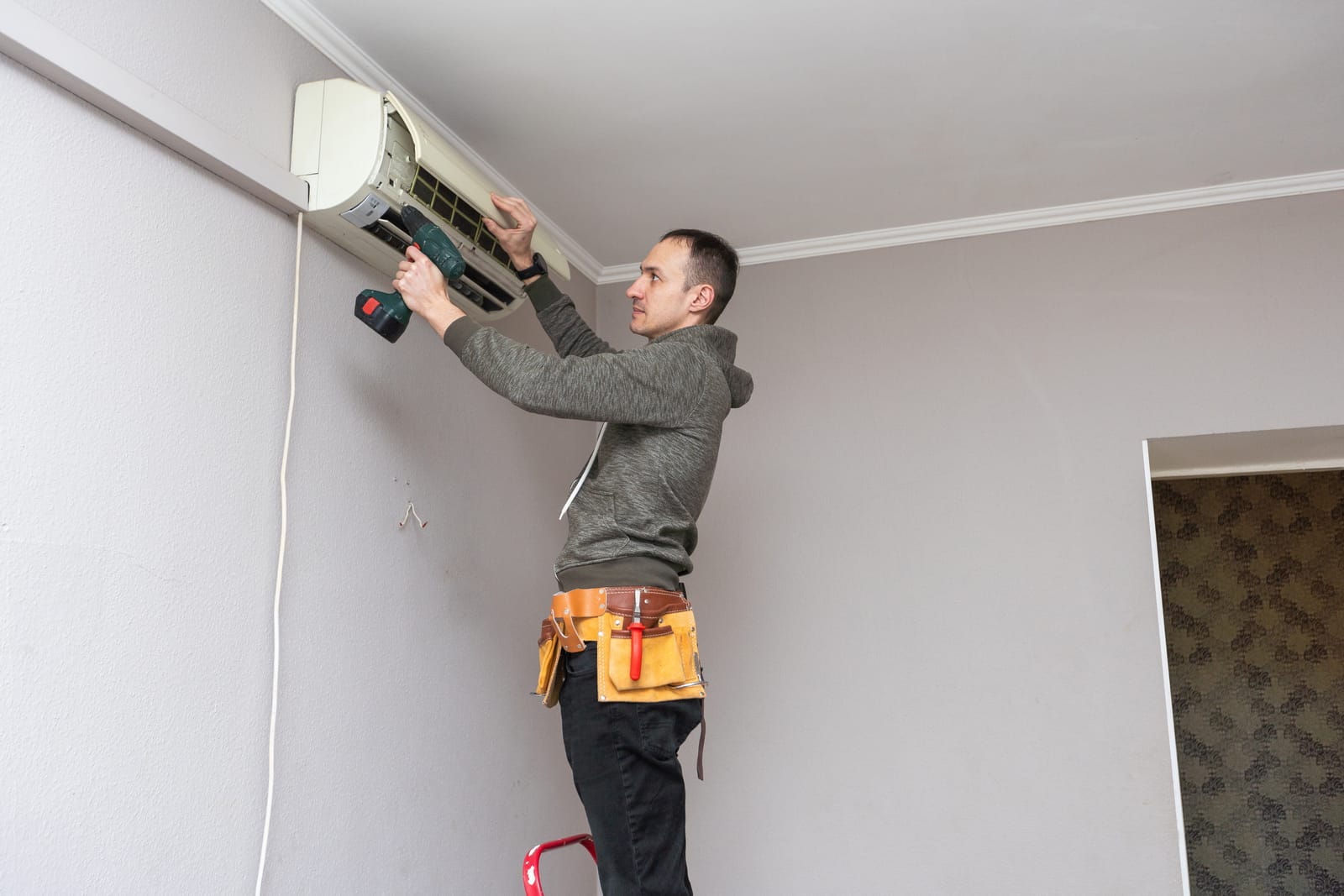
Explore Air Quality and AC System Experts in Your Area
Homeowners can find local AC system professionals through directory listings. These experts specialize in advanced filtration, ventilation, and humidity control to maintain healthier living environments. Compare services, review contractor credentials, and read customer feedback to make informed choices. For assistance, homeowners can call 411 Air Conditioning or fill out the contact form here to connect with air quality-focused HVAC contractors in their area.
